
The Riskiest Moment in Buying a Home Isn’t the Offer (It’s the Feeling)
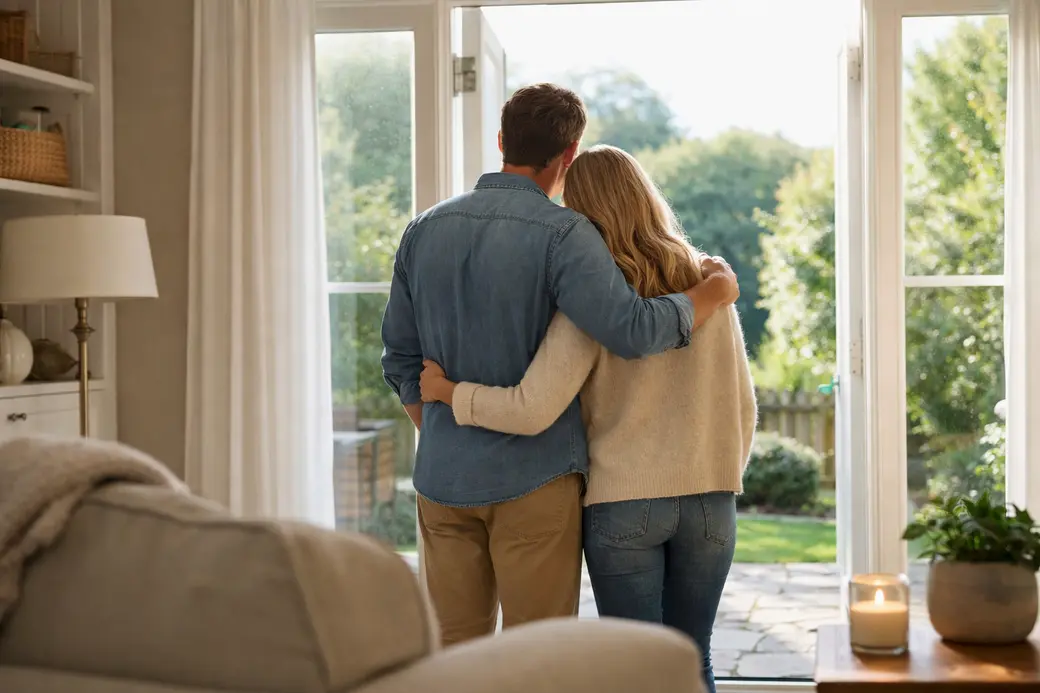
Buying a home is one of the few decisions in adult life that asks you to be both deeply emotional and highly rational at the same time. You’re choosing where your life will happen, while also signing contracts that carry real legal and financial consequences. It’s completely normal to feel excited, hopeful, and even attached as soon as a space feels right. The problem isn’t emotion itself. The problem is when emotion shows up before information does.
When buyers fall in love too early, the decision-making process quietly changes. Instead of evaluating the home based on price, condition, market position, and long-term suitability, the focus shifts to not losing it. The goal becomes winning the house rather than understanding it. That subtle shift is where risk begins to creep in, often without buyers realising it at the time.
Early emotional attachment tends to narrow perspectives. Issues that would normally raise questions start to feel smaller, or easier to explain away. A layout that doesn’t quite work feels “fixable.” A price that stretches past comfort starts to feel justified. Inspection findings feel inconvenient rather than informative. None of this happens dramatically. It happens gently, through a series of internal compromises that feel reasonable in the moment but add up quickly.
It also affects how buyers approach negotiation. The strongest negotiating position any buyer has is the ability to walk away. When you emotionally can’t imagine doing that, everything changes. Requests feel risky. Boundaries feel negotiable. Protecting yourself starts to feel like jeopardising the deal. At that point, even sensible contract terms can feel uncomfortable simply because they introduce uncertainty - and uncertainty is the enemy of infatuation.
Pricing is another area where early attachment can quietly distort judgement. When a home feels special, buyers often stop anchoring to the market and start anchoring to the feeling. Comparable sales become background noise. The question shifts from “Is this supported by data?” to “What will it take to make this work?” That difference matters. Markets don’t reward emotion, and appraisers don’t adjust for butterflies.
Inspections are often where this shows up most clearly. Inspections are designed to provide information, not to accuse a property of wrongdoing. But when buyers are already emotionally invested, inspection findings can feel threatening. Instead of being used to assess risk and future responsibility, they start to feel like obstacles standing between the buyer and the home they’ve already mentally moved into. That’s when buyers are more likely to accept issues they don’t fully understand or postpone decisions that deserve careful thought.
None of this means buyers should be cold or detached. Buying a home should feel exciting. It should feel meaningful. The goal isn’t to remove emotion - it’s to put it in the right place in the timeline. Falling in love after the numbers make sense, after the inspection has been reviewed, after the structure of the deal feels solid is very different from falling in love at the first showing.
The safest buyers aren’t the ones who care the least. They’re the ones who care at the right time. They allow themselves to feel excited, but they don’t let excitement outrun information. They stay curious longer than they stay attached. And they understand that the purpose of the process isn’t to secure a house at all costs, but to secure the right home under the right terms.
A home should support your life, not pressure your decisions. When emotion leads too early, risk tends to follow. When clarity comes first, confidence usually does too.
Categories
Recent Posts


GET MORE INFORMATION