
Inspection Drama Costs You Deals

Inspections don’t kill deals. Reactions do.
The moment that report lands, the tone of the transaction quietly shifts. Up to that point, everyone has been negotiating toward an outcome. Then a buyer reads a list of defects, often in language designed to sound more alarming than it actually is, and suddenly the goal changes from “move forward” to “fix everything.” That pivot is where good deals start to unravel.
The problem isn’t that buyers care. They should. Due diligence exists for a reason. The issue is when concern turns into urgency, and urgency turns into overreach. Requests become less about risk management and more about emotional correction. “This shouldn’t be my problem” is understandable. It’s also strategically expensive.
Inspection reports are not curated lists of deal-breaking flaws. They are comprehensive inventories of a home’s imperfections, ranging from trivial to meaningful, written by professionals whose job is to document, not to prioritize. When buyers respond to the entire report instead of the actual risks, they dilute their leverage. A seller who might have been cooperative on major items becomes defensive when asked to address everything from a loose outlet to a 20-year-old furnace.
Sellers, of course, are not innocent in this dynamic. An overly reactive seller response can be just as destructive. Dismissing legitimate concerns or refusing reasonable concessions often reads less like confidence and more like denial. That posture invites escalation, not resolution.
The strongest inspection strategy on either side is selective, deliberate, and grounded in reality. Buyers should focus on issues that materially affect safety, structural integrity, or near-term cost. Sellers should be prepared to engage on those same categories without turning it into a referendum on the home’s worth. Everything else becomes a negotiation lever, not a hill to die on.
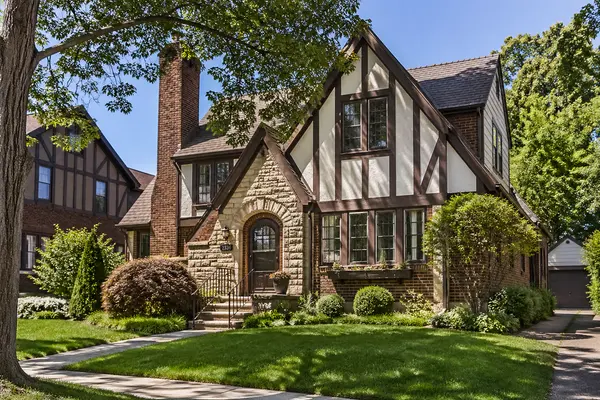
In markets like Cleveland and much of the Midwest, where housing stock often carries age and character in equal measure, this matters even more. Older homes will always produce longer reports. That is not a flaw in the deal. It is the deal. Expecting perfection from a century-old property is less a negotiating stance and more a misunderstanding of the asset.
Emotional inspection responses feel justified in the moment. They also tend to collapse the very outcome both sides were working toward. The goal is not to win the inspection. It is to close a deal that still makes sense once the dust settles. The parties who keep that in focus tend to move forward. The ones who don’t often find themselves starting over, this time with less leverage and a lingering sense that the last deal “should have worked.”
Categories
Recent Posts







GET MORE INFORMATION