
Slow Down to Win
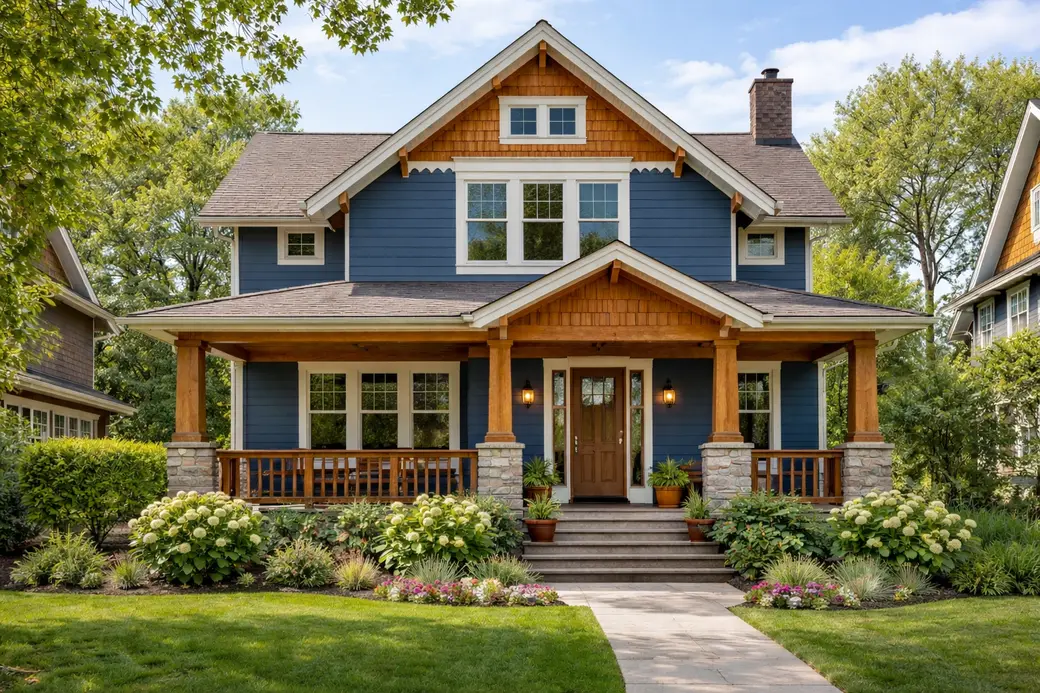
There is a particular kind of urgency that creeps into real estate negotiations, and it rarely serves the person feeling it. You can almost hear it in the language. Buyers start “just wanting to get something locked down.” Sellers begin to worry they are “missing their moment.” Agents, if they are not careful, start chasing activity instead of outcomes. The irony is that the faster people try to move, the more control they quietly hand to the other side.
Patience, when used deliberately, does not slow a deal down. It strengthens your position inside it.
Leverage in negotiation is not about who speaks the loudest or moves the fastest. It is about who has the least urgency. The party that can wait, or at least appear to, immediately becomes more difficult to pressure, less predictable to counter, and far more influential in shaping the final terms. This is not theory. It shows up in small, almost mundane moments that most people overlook.
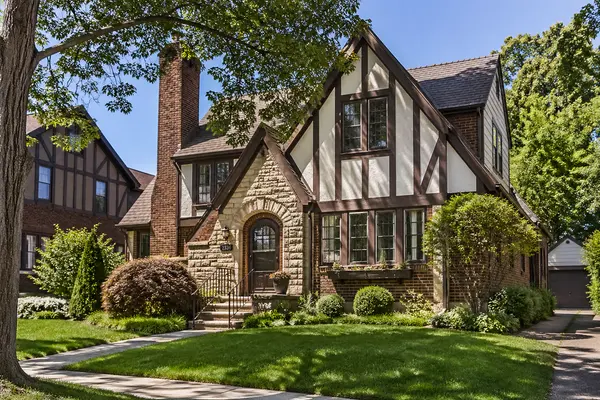
Consider the buyer who submits a strong offer on a well-priced home in a competitive Cleveland Heights neighborhood. They are pre-approved, their terms are clean, and they are convinced the property is “the one.” Then comes the waiting period. Offers are being reviewed at a set deadline, or perhaps the seller has indicated they will respond later in the evening. This is where most buyers begin to unravel. They refresh their email every few minutes. They ask if they should increase their price preemptively. They start negotiating against themselves before anyone else has even spoken.
What they are actually doing is weakening their leverage in real time.
A patient buyer, by contrast, understands that the strongest move is often to do nothing at all. They have already positioned themselves well. Their offer reflects both value and intention. Pushing further without new information does not make them more competitive. It simply signals anxiety, and anxiety is expensive.
The same principle applies on the selling side, though it tends to manifest differently. Sellers often feel pressure not from competition, but from silence. A home goes live, showings begin, and then there is a pause. No immediate offers. No obvious surge of interest. For some, this silence feels like failure, and the instinct is to react quickly. Adjust the price. Sweeten the terms. Signal flexibility before the market has even had time to respond.
This is where patience becomes a strategic tool rather than a passive virtue.
In many Midwestern markets, including parts of Greater Cleveland, buyer activity does not always arrive in a dramatic wave. It builds. Showings cluster over a few days. Buyers revisit listings. Agents gather feedback. Offers often emerge after a period of quiet evaluation rather than immediate action. Sellers who hold their position through that initial lull frequently find themselves negotiating from a stronger place, simply because they allowed the full pool of interest to materialize.
There is also a subtler layer to patience that experienced negotiators rely on, and that is the control of timing itself. Time is not neutral in a transaction. It can be shaped, stretched, or compressed depending on how you respond. When you reply instantly to every message, accommodate every request without pause, or rush to resolve every point of friction, you give the other side a rhythm to work with. They begin to anticipate your moves. They learn that pressure produces quick concessions.
When you introduce thoughtful delay, not avoidance, but measured response, you disrupt that rhythm. You create space for better information to surface, for priorities to clarify, and for the other side to reveal more of their own position. Silence, used well, invites disclosure. People tend to fill it, often to their own disadvantage.
This does not mean playing games or artificially dragging out a deal. There is a difference between strategic patience and unnecessary friction. The goal is not to frustrate the other party, but to avoid making decisions before the conditions are fully understood. In practical terms, this might look like resisting the urge to respond immediately to a counteroffer until you have reviewed it in the context of your broader goals. It might mean holding firm on a well-supported price rather than reacting to early, low feedback. It might even mean allowing a deal to walk away when the terms no longer align, trusting that another opportunity will present itself.
That last point is where patience and leverage intersect most clearly. The ability to walk away, or at least the willingness to do so, is the foundation of any strong negotiating position. If you cannot wait, you cannot walk. And if you cannot walk, your leverage is largely theoretical.
Buyers who feel they must secure a home immediately tend to overpay, waive protections too quickly, or accept unfavorable terms simply to end the process. Sellers who feel they must sell within a narrow window often concede on price or repairs in ways that are not actually necessary. In both cases, the issue is not the market. It is the perceived lack of time.
Of course, real timelines do exist. Relocations happen. Interest rates shift. Inventory fluctuates. Patience is not about ignoring these realities. It is about distinguishing between genuine constraints and self-imposed urgency. Many of the most costly decisions in real estate are made in response to pressure that is felt, but not actually present.
There is also a psychological dimension that is worth acknowledging. Patience signals confidence. When you do not rush, when you do not chase, when you are willing to let a negotiation breathe, you communicate that you have options. Whether or not those options are immediately visible, the perception alone can influence how the other side engages with you. They become more measured, more respectful of your position, and often more flexible in their own.
In practice, the strongest negotiators are not the ones who dominate conversations or push the hardest. They are the ones who understand when to move and when to hold still. They recognize that every decision carries information, and that timing those decisions carefully can be just as important as the decisions themselves.
Patience, then, is not about waiting for the sake of waiting. It is about choosing not to act until acting actually improves your position. In a market where so much attention is given to speed, early offers, fast closings, immediate responses, it becomes an advantage precisely because it is so often neglected.
And like most advantages in real estate, it is available to anyone willing to use it. You simply have to be comfortable enough not to rush toward the outcome before the leverage has had time to do its work.
Categories
Recent Posts
GET MORE INFORMATION