
Good Intentions Don’t Close Deals - Contract Wording Does
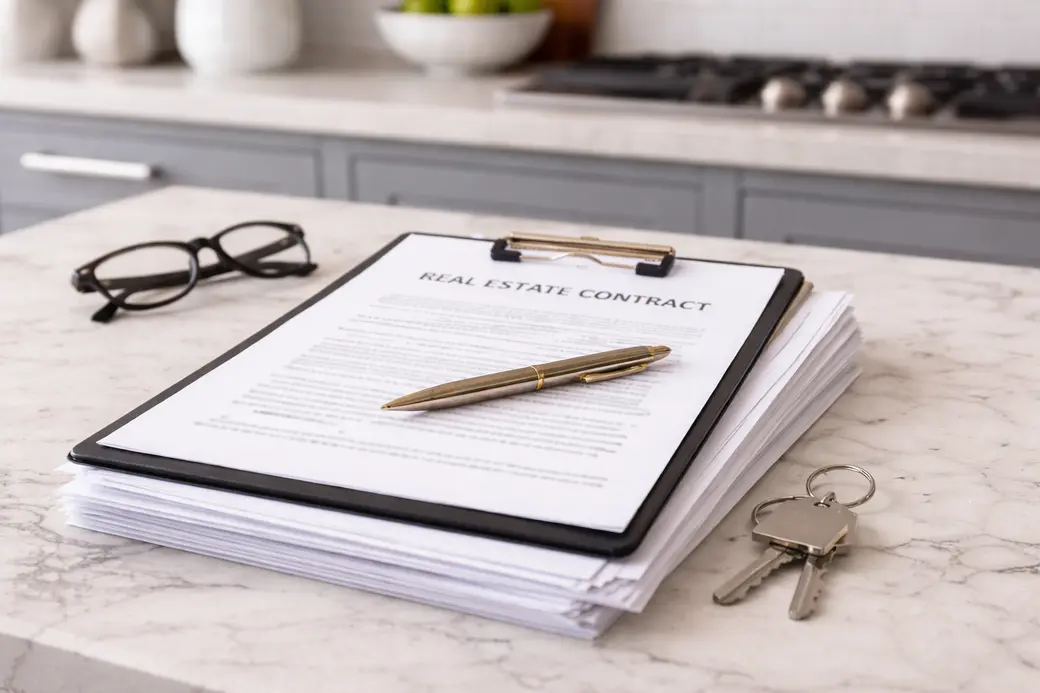
Most buyers and sellers walk into a real estate transaction with good intentions. They want to be fair, cooperative, and reasonable, and they assume that as long as everyone is acting in good faith, things will naturally work themselves out.
That assumption is where contracts tend to disappoint.
Real estate agreements are not interpreted through intention, tone, or what felt obvious at the time. They are interpreted through the language on the page, often long after the conversations that shaped them have faded, and usually at the exact moment when clarity matters most.
This is why transactions can unravel even when no one has done anything particularly wrong. Two people can leave the same signing table believing they agreed to the same thing, only to discover later that the contract quietly tells a different story.
Once a document is signed, no one refers back to what was discussed casually, texted quickly, or mentioned in passing. The contract becomes the authority, and it does not fill in gaps with common sense or goodwill. If something is unclear, undefined, or loosely worded, the ambiguity doesn’t stay neutral it creates exposure.
This is where phrases like “we had an understanding” tend to surface. And while that may be entirely true on a human level, understandings are not enforceable. Contracts are.
The difference between the two often comes down to small but meaningful choices in wording. A timeline that sounds flexible in conversation can become rigid in writing. A repair agreement that feels straightforward can become vague once responsibility and scope are not clearly defined. A contingency that seems protective can lose its teeth entirely if the language doesn’t support it.
None of this requires bad intent. It simply requires imprecision.
Every clause in a real estate contract performs a function, whether the parties realise it or not. Language allocates responsibility, defines rights, and determines what happens when circumstances change - and circumstances almost always do. When wording is tight, expectations stay aligned. When it isn’t, disappointment tends to arrive wearing the costume of surprise.
This is also why “standard language” deserves a raised eyebrow. Standard forms provide structure, not immunity. They still require interpretation, context, and thoughtful completion, particularly in transactions where sellers carry significant legal exposure and buyers are relying on contingencies to protect major financial decisions.
Good contracts don’t rely on everyone remaining agreeable. They assume pressure, delays, inspections, negotiations, and moments of friction, and they prepare for those realities in advance.
That’s where experience matters.
Strong representation isn’t about being aggressive or overcomplicating a deal. It’s about translating intention into enforceable language before the stakes rise, ensuring that what you believe you’ve agreed to is actually what the document requires.
Intention still matters in real estate. It just doesn’t govern outcomes. The wording does.
Categories
Recent Posts










GET MORE INFORMATION